
Wearing Fashion History
Every vintage designer piece carries its own story and historical significance.
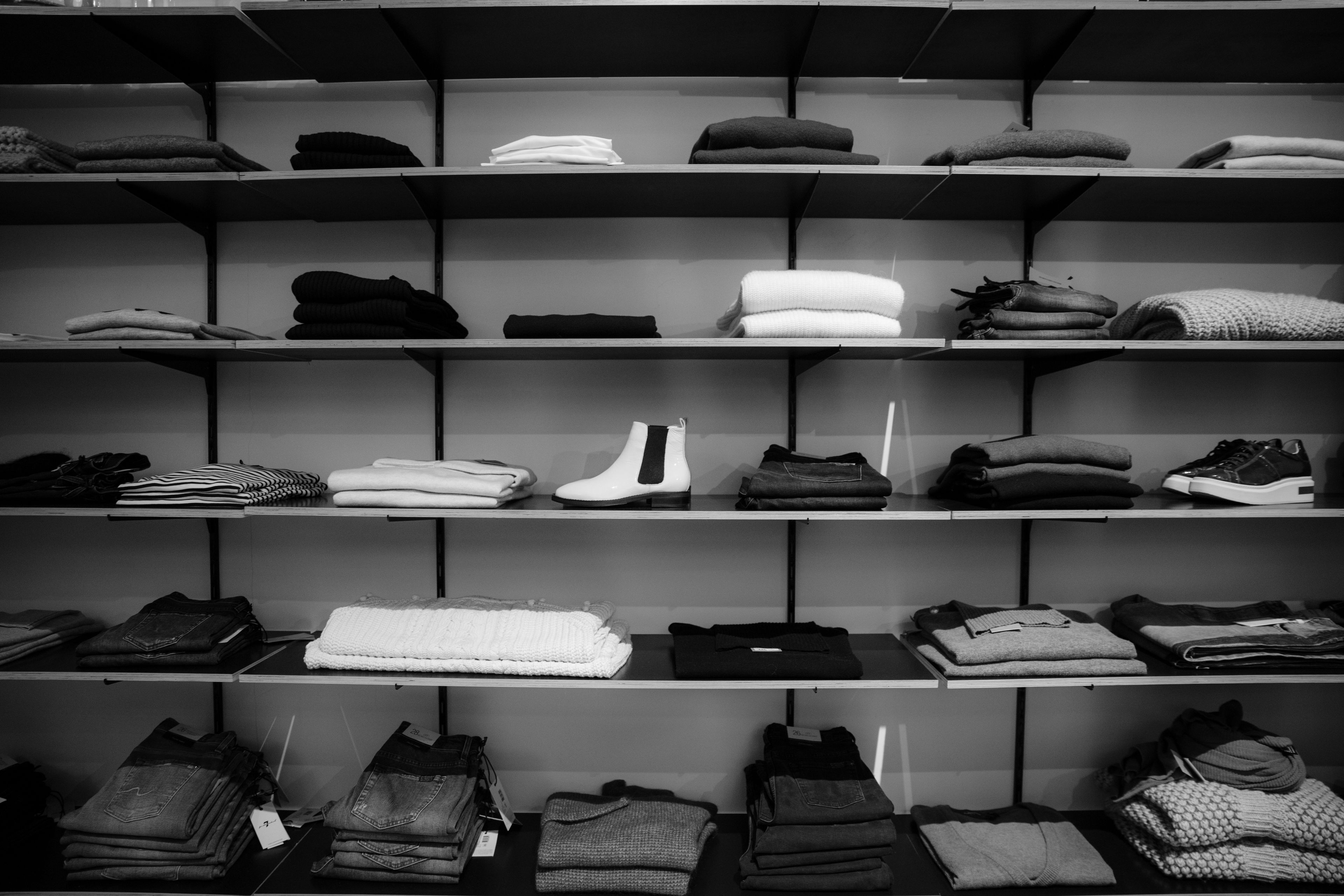
The Living History of Fashion
Every vintage designer piece carries its own story and historical significance. From the bold minimalism of 90s Prada to the romantic excess of 80s Dior, pre-loved luxury allows you to wear authentic pieces from fashion's most influential eras.
These items aren't just clothing—they're wearable art and cultural artifacts that connect you to fashion history. Owning vintage luxury means preserving and celebrating the creative genius of legendary designers for future generations.
Fashion's Most Influential Eras
The 1980s: Power and Opulence
The 80s defined power dressing with bold shoulders, lavish embellishments, and unapologetic luxury. Designers like Thierry Mugler, Claude Montana, and Gianni Versace created architectural silhouettes that embodied confidence and success.
Key pieces: Structured blazers, bold jewelry, statement bags with prominent logos
The 1990s: Minimalism and Rebellion
The 90s brought minimalist revolution through Miuccia Prada, Jil Sander, and Helmut Lang, while also seeing grunge influence fashion through Marc Jacobs. This era celebrated both restraint and subversion.
Key pieces: Prada nylon bags, slip dresses, minimalist leather goods
The 2000s: Logo Mania and Glamour
Tom Ford's Gucci revival, Galliano's theatrical Dior, and the rise of It Bags defined the early 2000s. Maximalism, logos, and celebrity culture drove fashion.
Key pieces: Monogrammed bags, embellished accessories, statement jewelry
Legendary Designers and Their Legacy
Coco Chanel
Revolutionized women's fashion by introducing comfortable elegance. Her quilted bags with chain straps and little black dresses remain icons. Browse our Chanel collection to own pieces of her legacy.
Yves Saint Laurent
Introduced Le Smoking tuxedo suit for women, democratizing luxury with Rive Gauche. His bold use of color and cultural references changed fashion forever.
Karl Lagerfeld
Revitalized Chanel and Fendi for modern eras while respecting heritage. His tenure created some of fashion's most collectible pieces.
Miuccia Prada
Transformed nylon into luxury, proving fashion could be intellectual and beautiful. Her minimalist yet subversive designs defined 90s and 2000s style.
Cultural Moments in Fashion
Certain pieces mark significant cultural moments:
- Lady Dior Bag (1995): Named after Princess Diana's favorite bag
- Fendi Baguette (1997): First "It Bag," changing handbag culture
- Balenciaga Motorcycle Bag (2001): Brought edge to luxury
- Louis Vuitton x Stephen Sprouse (2001): First major luxury-street collaboration
The Importance of Preservation
Vintage luxury preservation matters because:
- Cultural Heritage: These pieces document fashion evolution
- Artistry: They represent designers' creative visions
- Craftsmanship: They showcase techniques often lost to mass production
- Education: They teach future designers about quality and design
- Inspiration: They continue influencing contemporary fashion
Museums and Archives
Major institutions preserve fashion history. The Metropolitan Museum's Costume Institute and Victoria & Albert Museum house extensive fashion collections.
When you own vintage luxury, you become a private curator, preserving fashion history while wearing it.
Understanding Provenance
A piece's history adds value and meaning:
- Original Owner: Celebrity or notable provenance increases value
- Production Year: Dates the piece to specific designer era
- Collection: Identifies which seasonal collection it's from
- Rarity: Limited production or unique variations
- Condition: How well it's been preserved through time
At Sourcez, we document provenance when available, adding context to your historical purchases.
Styling Historical Pieces Today
Vintage doesn't mean costume. Mix eras for contemporary style:
- Pair 80s bold jewelry with modern minimalist clothing
- Combine 90s bags with current season outfits
- Use vintage accessories to add character to contemporary looks
- Let one historical piece be your outfit's focal point
Our Fashion's Second Act article provides more styling guidance for vintage pieces.
Collecting Fashion History
Building a collection of historical pieces requires:
- Education: Learn designers' signatures and important collections
- Authentication: Ensure pieces are genuine (our authentication process guarantees this)
- Condition Assessment: Understand what's normal wear versus damage
- Proper Care: Preserve pieces for future generations
- Documentation: Keep records of provenance and purchases
Resources for Fashion History
Deepen your knowledge through:
- Vogue's Fashion Archive - Historical runway images and articles
- Business of Fashion - Industry analysis and history
- Fashion documentaries and books about legendary designers
- Museum exhibitions (virtual and in-person)
Your Role in Fashion History
When you purchase vintage luxury, you become part of its continuing story. Each owner adds to a piece's provenance, ensuring these cultural artifacts survive for future appreciation.
By choosing historical handbags, archival accessories, or vintage designer clothing, you're not just buying fashion—you're becoming a guardian of fashion history.
Explore our collection and find your piece of fashion history today. For more insights, read our articles on Iconic Pieces That Last and Finding Hidden Gems.
Tags
Discover Pre-Loved Luxury
Explore our curated collection of authenticated designer pieces. Every purchase supports sustainable fashion and circular economy principles.